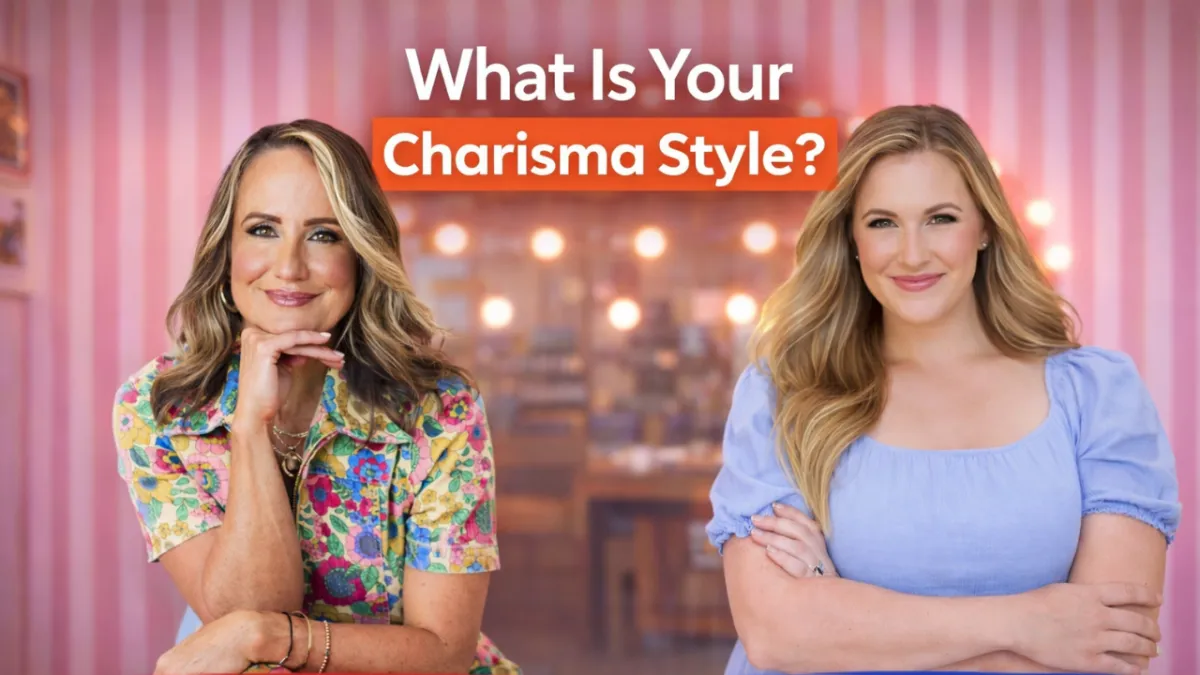
What Is Your Charisma Style? | Selling Without Faking Who You Are with McCall Jones
"Charisma looks different for different people. Whether you're loud and fun or theatrical or bubbly or more serious, there are ways to get the exact same result and get to the same level regardless of what your personality is, as long as you're leaning into the right tactics for you." -McCall Jones
Are you struggling to close deals despite having a great product or service? Traditional sales tactics focusing on louder pitches or pushy techniques often fall flat when it comes to genuine connection. The truth is, sales success hinges more on emotional mastery and personality-driven charisma than on scripts or persuasion tricks.
In this comprehensive guide, you'll learn how understanding your unique charisma style and managing emotional triggers can dramatically improve your sales performance. Whether you're an entrepreneur, coach, or sales professional, mastering these principles will help you attract and convert your ideal clients effortlessly.
What you'll discover:
How charisma manifests uniquely for everyone and how to leverage your style The key emotional triggers that influence buying decisions Practical ways to apply emotional control in sales presentations The latest strategies for high-ticket sales and immersive events
Let's dive into the art of authentic influence and emotional mastery that transforms ordinary sales conversations into compelling opportunities.
Mastering Emotional Control and Charisma Styles to Boost Sales
Unlocking Your Unique Charisma Style for Authentic Connection
Many believe charisma is an innate trait; something you’re born with. But the truth is, charisma is a set of behaviors and emotions that anyone can develop and tailor to fit their personality. McCall Jones from Charisma Hacking explains that charisma "Just looks different for different people," and understanding your personal style can make your sales conversations feel natural and powerful.
The Charisma Styles Framework
McCall’s system, called Charisma Styles, classifies charisma into three core areas:
Attention Style: How you capture people's focus
Trust Style: How you establish emotional connection and trust
Authority Style: How you demonstrate expertise and confidence
Each style has specific characteristics and tactics. For example, some people are "Brightness" (amaze), using energetic sparkle to draw attention, while others are "Explosive" (excite), capturing attention through enthusiasm and dynamism.
Finding Your Natural Style
Attempting to imitate someone else's charisma style often backfires. For instance, a shy introvert cannot effectively use a loud, theatrical approach without it feeling awkward. The key is to lean into tactics that align with your personality. This authenticity resonates and builds trust faster.
Tip: Identify your primary charisma style by observing your natural tendencies and practicing the specific tactics that reinforce your style. When you show up as your authentic self, your audience perceives you as more trustworthy and relatable.
Why Your Style Matters in Sales
Using tactics that don't align with your personality can come across as "salesy" or insincere. Conversely, leveraging your natural style; whether it's playful charm, calm authority, or energetic excite creates a seamless and compelling presence that attracts clients effortlessly.
Action Step: Reflect on what feels most natural to you. Are you bright and bubbly or calm and steady? Use your niche of charisma to craft authentic messaging and delivery that attracts your ideal clients.
The Power of Emotional Triggers in Selling
Emotions form the core of buying decisions. McCall emphasizes that decisions are “emotional first and justified second.” Understanding which emotional triggers influence your prospects can help you craft sales conversations that resonate deeply, leading to higher conversions.
The Essential Emotional Triggers
Based on insights from Charisma Hacking, here are key emotional triggers that drive buyers:
Identity: "You are the person who..."
People buy to become who they want to be. Framing your offer as a step toward their ideal identity creates powerful motivation. For example, "You’re the kind of person who succeeds at this level" taps into their desire for belonging and self-actualization.
Belonging: "Join people like you who are going where I want to go"
Prospects want to be part of a community or tribe that shares their values. Demonstrating that others like them have succeeded fosters trust and reduces fear of exclusion.
Urgency for Change: "The pain of staying the same"
Highlighting the consequences of inaction and framing change as a solution alleviates resistance. For example, sharing real outcomes of those who acted versus those who didn’t motivates prospects to take action.
Certainty and Safety: "Here’s how we ensure you succeed"
People won't leap if landing feels uncertain. Providing clear proof, milestones, and process reduces fear and fosters confidence.
Hope: "This time, it will be different"
Sharing inspiring stories and future possibilities creates momentum. Showing prospects that their past failures don’t define them is a powerful motivator.
Applying Emotional Triggers in Your Sales Strategy
Tip: Frame your messaging around these triggers by incorporating storytelling, social proof, and logical milestones. For instance, open a pitch with stories of transformation (belonging), then reinforce how your system ensures success (certainty), and finish with a compelling vision of future success (hope).
Example: "You're the person who wants to succeed without the overwhelm. Many like you have felt the same, until they joined our program, and now they’re thriving. If you stay where you are, imagine the missed opportunities. But if you take action today, you can finally experience [desired outcome]."
Crafting Sales Presentations that Activate Emotional Triggers
To maximize your sales results, it’s crucial to structure your presentation around these emotional triggers. Here’s how to do it effectively:
Establish Identity Early
Use language that helps prospects see themselves already in possession of the outcome. Phrases like "You’re the kind of person who" or "Imagine yourself..." set the stage for transformation.
Build Belonging through Social Proof
Share testimonials and stories from similar clients. Frame these as "before and after" scenarios that your prospects can relate to, creating a sense of community and possibility.
Ignite Urgency and Safety
Discuss consequences of inaction, but do so with empathy and clarity. Use emotional language to highlight what’s at stake if they don’t act now, balanced with how your system makes the process safe and achievable.
Reinforce Certainty with Evidence
Show clear milestones, success metrics, and proven results. Use visuals or data to reinforce that success is not only possible but attainable.
Cultivate Hope for the Future
Paint vivid pictures of what life looks like after taking action. Use stories and testimonials that show this is just the beginning of their success journey.
Pro Tip: Incorporate emotional "non-negotiables"—the 16 key feelings—at specific points in your presentation. Make prospects feel "I am in the right place," "I belong," and "I can succeed," enabling them to emotionally commit to your offer.
High-Ticket Selling Strategies in 2025 and Beyond
The landscape of high-ticket sales is shifting. Traditional webinars designed to pitch high-ticket programs directly are giving way to immersive events and multi-step funnels.
The Rise of Immersion Events
Russell Brunson’s Selling Online event exemplifies this trend. His three-day challenge, sold at around $10,000 with minimal sales effort, creates a sense of exclusivity and high value.
Why Are Immersion Events Effective?
They foster high engagement They establish authority through deep interaction They create a sense of commitment and urgency They allow for emotional connection that drives high-ticket sales
Combining Front-End Offers with High-Ticket Funnels
A common approach is to have low-cost or free webinars leading into high-ticket offers, often through multi-step funnels:
Free or low-priced initial product Invitation to a paid immersion or challenge High-ticket exclusive offer during or after the event
Tip: Focus on creating compelling experiences during these events. Use storytelling, emotional triggers, and genuine connection to maximize conversion.
The Future of High-Ticket Sales
In 2026, expect a move towards more personalized, experience-driven sales that leverage emotional mastery. Virtual immersion events, small-group masterminds, and high-touch engagement will dominate.
The Most Rascal Thing in Business: Embracing Audacity
When asked about the most rascal thing they've ever done, many entrepreneurs lean into audacity. McCall Jones confesses to early days of "non-consensual coaching," offering advice and feedback without explicit permission. While unconventional, this audacity helped her build partnerships and open doors.
Michelle Terpstra shares her more direct approach, sending unsolicited feedback via screenshots to highlight what NOT to do. Both tactics underscore that sometimes, a bold, unorthodox move can attract attention and opportunity.
Key Takeaway: Don’t be afraid to push boundaries, genuinely confident entrepreneurs leverage their audacity to accelerate success. Just stay authentic, respectful, and adaptable.
To gain complimentary access to ALL workbooks, scripts, and playbooks that Michelle discusses on the Revenue Rascals Podcast, fill out the form below. It's just a one-time sign up and SUPER easy.
Frequently Asked Questions
How can I find my natural charisma style?
Observe your natural tendencies. Are you bright, calm, playful, or authoritative? Reflect on how you naturally draw attention and trust and experiment with tactics that feel authentic.
What are the top emotional triggers to focus on in sales?
Identity, belonging, urgency, certainty, and hope are key. Use storytelling, social proof, and evidence to activate these triggers at appropriate times.
How do I structure my sales presentation to activate these triggers?
Start with identity and belonging, build urgency by highlighting consequences of inaction, provide proof for certainty, and finish with a hopeful outlook for the future.
What's the best way to sell high-ticket offers in 2025?
Host immersive, multi-day events or challenges that foster engagement and emotional connection. Use multi-step funnels blending low-cost offers with high-ticket opportunities.
How do I handle emotional leaks that kill trust during sales?
Be genuine, avoid desperation, and show sincerity. Share proof, milestones, and stories that build confidence and reduce perceived risk for prospects.
Summary
Your ability to master emotional control, leverage your unique charisma style, and understand the psychology of triggers will dramatically elevate your sales game. Authenticity combined with strategic emotional engagement creates a magnetic presence that turns prospects into loyal clients.
Next Steps:
Identify your primary charisma style and craft messaging that aligns with it Use emotional triggers consciously throughout your sales conversations and presentations Embrace bold, high-impact sales strategies like immersive high-ticket events
Remember, sales isn’t just about what you sell—it's how you make people feel. When you master emotional mastery and charisma, you turn transactional exchanges into transformational experiences.


